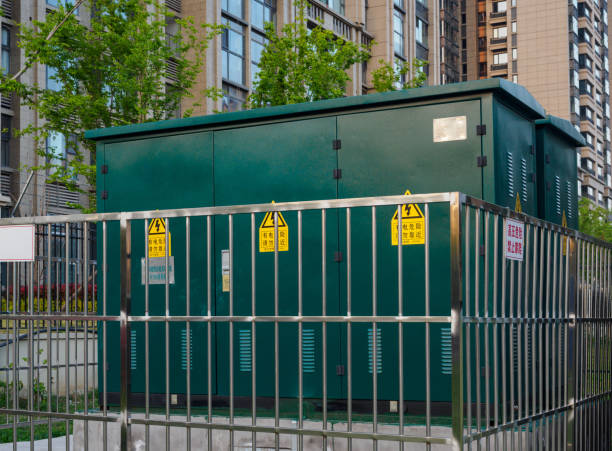
Ground-level electrical distribution equipment has become a standard feature in modern urban and suburban power networks. Among these, the three phase pad mounted transformer plays a critical role in delivering reliable, safe electricity to homes, commercial complexes, and industrial facilities. Designed to sit at ground level inside secure, tamper-resistant enclosures, these transformers offer distinct safety advantages over pole-mounted or exposed electrical equipment. Their structure, accessibility, and protective features collectively reduce risks to people, property, and the electrical grid.
This article explores how ground-level pad mounted transformers enhance safety across environments, focusing on design characteristics, operational safeguards, environmental protection, and public risk reduction.
Understanding Ground-Level Pad Mounted Transformers
Pad mounted transformers are distribution transformers installed on a concrete pad at ground level and enclosed within locked steel cabinets. They are typically connected to underground power distribution lines, making them common in residential neighborhoods, campuses, and commercial developments.
Unlike overhead transformers mounted on poles, pad mounted units are accessible for maintenance without climbing equipment and are enclosed to prevent accidental contact with energized components.
Key Structural Characteristics
- Sealed steel cabinet with corrosion-resistant coating
- Lockable, tamper-resistant doors
- Underground cable connections
- Insulated internal components
- Grounded metal enclosure
These features contribute directly to their safety performance in populated environments.
Reduced Public Exposure to High Voltage Equipment
One of the primary safety benefits of pad mounted transformers is the minimized exposure of high voltage components to the public. Traditional pole-mounted transformers place energized equipment overhead, often near trees, buildings, and public pathways. Pad mounted units, by contrast, isolate electrical components inside grounded enclosures.
How Enclosed Design Improves Safety
- Prevents accidental human contact with live parts
- Protects children and pedestrians from electrical hazards
- Reduces interference from animals and wildlife
- Shields equipment from debris and environmental impact
Because energized conductors are not exposed, the likelihood of accidental electrocution or arc contact is significantly reduced.
Tamper Resistance and Vandalism Protection
Electrical infrastructure located at ground level could theoretically be more accessible to unauthorized individuals. However, pad mounted transformers are specifically engineered to prevent tampering and vandalism.
Built-In Security Measures
- Flush-mounted, recessed door handles
- Padlock provisions or utility-grade locking systems
- Hidden hinges and reinforced cabinet seams
- Tool-required entry mechanisms
These design elements discourage unauthorized access and protect internal high voltage compartments. Utilities also use standardized locking systems that only trained personnel can open, ensuring controlled access to energized components.
Improved Worker Safety During Maintenance
Maintenance and inspection activities are inherently safer when electrical equipment is accessible from ground level. Pole-mounted transformers require technicians to work at height, often near energized overhead lines. Pad mounted units eliminate these risks.
Safety Advantages for Technicians
- No climbing or aerial lifts required
- Stable working position at ground level
- Easier lockout and tagging procedures
- Clear compartment separation between high and low voltage sections
Technicians can safely isolate circuits, perform inspections, and replace components without exposure to fall hazards or overhead energized conductors.
Separation of High and Low Voltage Compartments
Pad mounted transformers are designed with physically separated compartments for primary and secondary connections. This internal segregation reduces cross-contact risk and enhances safe operation.
Compartmentalization Benefits
- Prevents accidental bridging between voltage levels
- Allows safe access to low voltage side when primary is isolated
- Reduces arc flash propagation risk
- Improves fault containment
This structural separation ensures that even if one side is being serviced, the other remains protected, reducing electrical hazard exposure.
Lower Risk of Electrical Arcing and Flash Incidents
Electrical arcs and flash events can occur when conductors are exposed or when insulation fails. Pad mounted transformers reduce this risk through enclosed, insulated design and controlled cable entry.
Design Factors That Reduce Arc Hazards
- Dead-front construction covering energized terminals
- Insulated bushings and connectors
- Underground cable routing instead of exposed overhead lines
- Grounded metal enclosure containing faults
If a fault occurs internally, the enclosure contains the arc energy, limiting external hazard to nearby people or structures.
Protection Against Environmental Hazards
Weather and environmental exposure are major contributors to electrical accidents and infrastructure damage. Pad mounted transformers are built to withstand environmental stresses while maintaining safe operation.
Environmental Safety Features
- Weather-sealed cabinet preventing moisture ingress
- UV-resistant coatings reducing corrosion
- Elevated base to prevent floodwater contact
- Sealed cable entry points blocking debris and pests
These characteristics prevent failures caused by water intrusion, corrosion, or animal interference, which can otherwise lead to electrical hazards or outages.
Reduced Fire Risk in Urban Areas
Transformer failures can result in overheating or oil ignition. Pad mounted transformers are designed with safety measures that limit fire spread and protect surrounding property.
Fire Safety Advantages
- Oil-filled tanks enclosed within steel cabinets
- Pressure relief devices preventing tank rupture
- Flame-resistant insulating fluids in many models
- Ground-level placement away from overhead structures
Because they are installed on non-combustible pads and away from buildings, potential fires are less likely to spread compared to pole-mounted equipment near rooftops or vegetation.
Enhanced Safety in Underground Distribution Systems
Pad mounted transformers are integral to underground distribution networks, which inherently offer safety benefits over overhead lines. Underground cables eliminate many hazards associated with exposed conductors.
Safety Gains from Underground Integration
- No downed power lines during storms
- Reduced contact risk with vehicles or machinery
- Lower lightning strike exposure
- Minimal interference from trees or wildlife
By serving as the accessible interface point of underground systems, pad mounted transformers maintain these safety advantages while allowing controlled service access.
Improved Electrical Grounding and Fault Management
Proper grounding is essential for electrical safety. Pad mounted transformers are designed with robust grounding systems that safely dissipate fault currents into the earth.
Grounding Safety Benefits
- Grounded enclosure prevents external energization
- Fault current directed safely to earth
- Reduced touch and step potential hazards
- Enhanced protection for nearby structures and people
If an internal fault occurs, grounding ensures dangerous voltages do not appear on the cabinet surface or surrounding ground.
Safer Integration in Residential Neighborhoods
Modern residential developments favor underground utilities and pad mounted transformers because they blend safely into populated environments. Their design supports safe coexistence with daily human activity.
Neighborhood Safety Advantages
- No overhead wires near homes or play areas
- Clear visibility at ground level
- Predictable placement away from walkways
- Lower risk during storms or vehicle impact
Utilities often place these transformers in designated utility easements or landscaped zones, maintaining safe distance from routine human activity.
Vehicle and Impact Safety Considerations
Ground-level electrical equipment can be exposed to vehicle collision risk. Pad mounted transformers incorporate structural features that mitigate impact hazards and maintain electrical safety.
Impact Protection Measures
- Heavy-gauge steel cabinet construction
- Reinforced internal tank supports
- Concrete pad anchoring
- Optional bollards or barriers in high-traffic zones
Even if struck, the enclosure helps contain energized components and prevents immediate exposure to live parts.
See also: business growth analysis report
Controlled Heat Dissipation and Thermal Safety
Transformers generate heat during operation. Overheating can lead to insulation breakdown or fire risk. Pad mounted transformers are engineered for safe thermal management.
Thermal Safety Design
- External cooling fins or radiators
- Oil or fluid-based heat transfer
- Ventilation spacing within enclosure
- Temperature-rated insulation systems
These features maintain safe operating temperatures, reducing failure risk and ensuring stable long-term operation.
Wildlife and Animal Protection
Electrical equipment can pose hazards to animals, particularly when exposed conductors are accessible. Pad mounted transformers reduce wildlife electrocution incidents through enclosed construction.
Wildlife Safety Features
- No exposed energized conductors
- Sealed cable entry preventing nesting
- Smooth cabinet surfaces discouraging climbing
- Ground-level placement away from trees
By isolating high voltage parts, these transformers protect both animals and the electrical system from interference or faults.
Reduced Storm and Weather Hazard Exposure
Extreme weather events are a major cause of electrical accidents. Overhead systems can fall or contact structures during storms. Pad mounted transformers, integrated with underground networks, improve resilience.
Weather-Related Safety Gains
- No overhead components to fall
- Wind-resistant ground anchoring
- Protection from ice loading
- Lower lightning exposure
These factors reduce public danger during storms and minimize emergency hazards associated with damaged electrical equipment.
Compliance with Modern Electrical Safety Standards
Pad mounted transformers are manufactured according to strict electrical and safety standards governing insulation, enclosure strength, grounding, and fault containment. Compliance ensures predictable safe performance.
Standardization Benefits
- Certified dead-front construction
- Tested fault withstand capability
- Verified insulation coordination
- Approved locking and access design
Standardized safety engineering reduces variability and ensures consistent protection across installations.
Safer Utility Planning and Infrastructure Layout
Urban planners and utilities prefer pad mounted transformers because they allow predictable, controlled placement of electrical equipment. This improves safety at a system level.
Planning Advantages
- Defined utility corridors and easements
- Safe distance from structures
- Accessible yet protected locations
- Minimal obstruction to public movement
Consistent placement reduces accidental encounters and simplifies hazard awareness for residents and workers.
Conclusion
Ground-level pad mounted transformers represent a major advancement in electrical distribution safety. By enclosing high voltage components inside grounded, tamper-resistant cabinets and integrating them with underground power systems, they significantly reduce risks associated with electrical exposure, environmental damage, and infrastructure failure. Their design protects the public, technicians, wildlife, and property while supporting reliable power delivery in modern communities.
From reduced electrocution risk and improved maintenance safety to enhanced fire protection and environmental resilience, the safety benefits of pad mounted transformers are substantial. As urbanization increases and underground distribution networks expand, these transformers will continue to play a central role in delivering electricity safely and efficiently across residential, commercial, and industrial environments.