Sustainable living is no longer just an individual choice but a necessity for homeowners who want to save money and have minimal ecological effects. The energy efficiency of houses has become an essential factor in determining their high performance and comfort. Home builders determine all these factors through their decision-making, materials used, and building strategies. If the idea of sustainability is incorporated right from the start, the outcome will be a house with a consistent internal climate without relying on man-made heating and cooling mechanisms. The next segments delve into five significant approaches by which home builders can improve energy ratings.
Smart Orientation and Passive Design Strategies
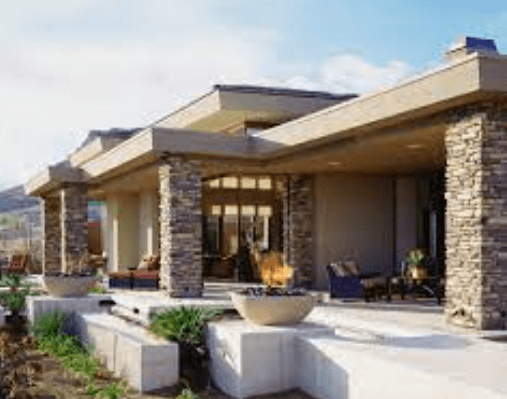
One of the ways in which energy efficiency can be improved begins with positioning the building itself. The professionals involved in construction take into account the flow of sunlight, the direction of winds in different seasons, and the possibility of creating shade when laying out the buildings. For example, if the living quarters face north, they will benefit from the sun rays when temperatures are low, and the use of eaves will keep away too much sunlight in the warmer season. Windows should also be installed in such a way as to contribute to proper ventilation of the building.
See also: Top Financial Planning Strategies To Achieve Your Dream Home
Enhanced Insulation and Thermal Control
The thermal efficiency of the system relies on the quality of the insulation, the degree of its airtightness, and material integrity. Those builders who focus on energy efficiency choose materials for walls, roofs, and floors that minimize heat flow. Sealing of the doors and windows effectively stops any drafts. Effective insulation minimizes fluctuations in temperatures, ensuring stability indoors without excessive reliance on heating and cooling systems. Such an approach is advantageous in terms of energy savings and provides a comfortable living environment for the residents all year round.
High-Quality Builds and Construction Standards
Quality of construction plays a role in energy efficiency results, especially when durability and accuracy are emphasized during construction. In Australia, different weather conditions require durable building materials, taking into consideration various climatic conditions like humidity, heat, and salty air. By emphasizing quality construction, builders can achieve a tighter structure, which is critical for maintaining temperature control and minimizing energy wastage. Selecting experienced professionals makes a measurable difference. It’s recommended to choose the best home builders in Queensland who can construct dwellings that meet strict efficiency benchmarks while maintaining architectural resilience. Superior craftsmanship ensures insulation layers perform effectively, joints remain sealed, and long-term degradation is minimised.
Energy-Efficient Systems and Appliance Integration
Modern buildings have greatly benefited from the installation of systems that help in cutting down energy use without affecting performance. High-efficiency heat pumps, smart home systems that control energy use, and efficient water fixtures are some of the features currently being integrated in homes. In addition, ventilation systems fitted with heat recovery systems minimize energy losses through conservation of indoor temperatures while allowing proper air flow within the premises. All the systems mentioned above enhance the score achieved on building ratings because of the efficient use of energy.
Renewable Energy Adoption and Smart Grid Readiness
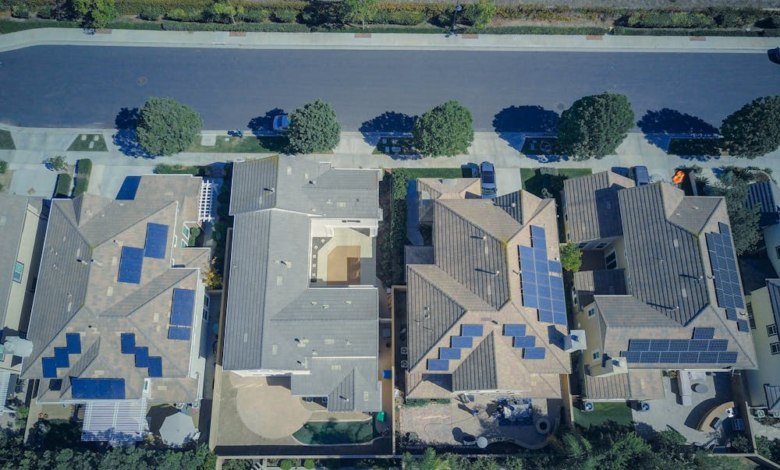
Incorporating renewable energy systems greatly enhances the level of sustainability in the construction of houses. Construction professionals may be able to set up roofs to accommodate solar panels by accounting for weight limitations, proper angles, and full access to sunshine. Storage battery systems will also provide greater regulation over power consumption, as they will enable individuals to conserve extra energy for future use. Moreover, smart grid technology allows for optimal delivery and management of electrical power usage. In addition, incorporating renewable energy systems alongside energy-efficient designs lowers dependency on external energy sources.
Efforts to enhance energy efficiency ratings demand an amalgamation of design expertise, material efficacy, and system coherence. The home builders contribute immensely to these goals right from conception until completion. They build homes that surpass all parameters. Consequently, people end up with living spaces that are sustainable, affordable, and responsible for today’s times.