
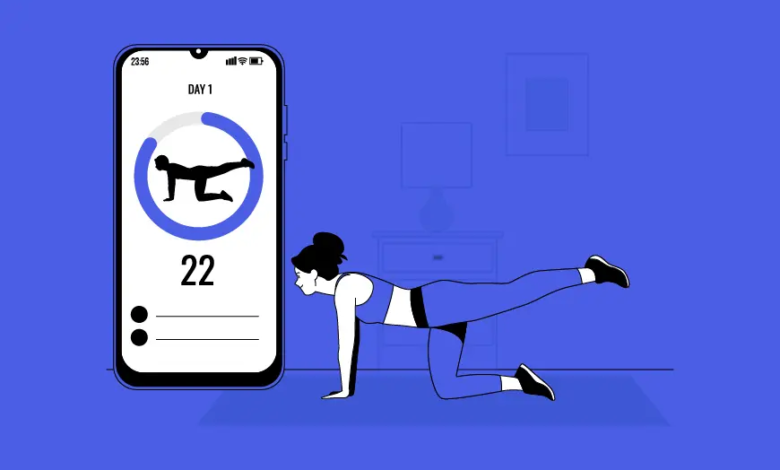
A successful fitness app starts with a clear purpose, not a long feature list. Users want simple tools that help them track progress, follow workouts, stay consistent, and understand their results. The right product should solve a specific problem for a defined audience.
Before development begins, founders should decide whether the product is for home workouts, gym users, runners, coaches, nutrition tracking, or another niche. That choice affects the feature set, design, integrations, and budget.
What Makes a Workout Platform Useful
People return to health and workout products when the experience feels practical. A useful platform should reduce friction and help users take action quickly. Complex screens, unclear navigation, and too many setup steps can reduce engagement.
The strongest products usually combine a few core functions instead of trying to serve every fitness need. A focused workout planner may be more valuable than a broad platform with dozens of weak features.
Common functions include:
- User profiles and goal setting
- Workout libraries and exercise instructions
- Progress tracking
- Activity history
- Push notifications and reminders
- Wearable device integration
- Nutrition or calorie tracking
- Subscription management
- Coach or trainer dashboards
The right mix depends on the audience. A beginner workout platform needs simple guidance, while an app for personal trainers may need client management and messaging.
See also: Wayne Newton Net Worth And Social life Facts
Core Features to Prioritize First
The first version should focus on essential user actions. For most products, onboarding, workout access, progress tracking, and account management come before advanced features.
Good onboarding helps users set goals without making the process feel like a form. Ask only for information that improves recommendations or tracking. Extra questions can always be added later.
Workout content also needs clear structure. Users should be able to filter by goal, duration, equipment, or difficulty. Exercise pages should explain movement steps in plain language and avoid clutter.
Progress tracking should show useful change over time. Weight, completed sessions, distance, workout volume, or streaks may matter depending on the product. The key is to present data in a way users can understand quickly.
Fitness App Design Should Support Fast Decisions
Design affects more than appearance. Fitness users often interact with mobile tools while moving, exercising, or checking progress between tasks. Screens should be readable, buttons should be easy to tap, and important actions should be obvious.
A clean dashboard can show the next workout, recent activity, and current progress. Users should not need several taps to start a common task.
Accessibility also deserves attention. Readable text sizes, strong contrast, clear labels, and simple navigation make the product easier for more people to use.
Native, Cross-Platform, or No-Code Development
Technology choices affect cost, performance, and future maintenance. Native development creates separate products for iOS and Android. This approach can offer strong platform-specific performance, but it usually requires more development effort.
Cross-platform frameworks can reduce duplicated work by sharing much of the code across mobile platforms. They are often a practical choice for startups and growing products that need to reach both major mobile ecosystems.
No-code and low-code tools can help with prototypes or simple MVPs. They work best when the product has limited custom logic. Advanced integrations, real-time features, or highly customized experiences may require traditional development.
What Drives Development Cost
The answer to how much does it cost to develop a fitness app depends on scope, design complexity, integrations, team structure, and the number of supported platforms. A basic MVP with standard tracking features requires fewer resources than a product with live classes, AI recommendations, wearables, and custom dashboards.
Cost also rises when the product needs a large content system, advanced analytics, video streaming, payment subscriptions, or multiple user roles. A trainer marketplace, for example, needs more workflows than a simple workout tracker.
Backend development is another major factor. User accounts, workout history, subscriptions, content management, and syncing across devices all require reliable server-side systems.
Integrations That Can Increase Complexity
Many health and exercise products connect with external services. Common integrations include Apple Health, Health Connect, wearable devices, payment systems, maps, and video platforms.
Each integration adds development and testing work. Data permissions also need careful handling because users expect personal health information to be treated responsibly.
If a product depends on third-party APIs, the team should plan for future changes as well. External services can update requirements, pricing, authentication methods, or technical rules over time.
Building an MVP Without Wasting Budget
An MVP should prove whether people want the product and can use it successfully. The goal is not to launch a smaller version of every feature planned for the future.
Start with the single user journey that creates the most value. For a workout planner, that might include choosing a goal, starting a program, completing sessions, and seeing progress.
Features such as social feeds, advanced gamification, community groups, and detailed leaderboards can wait unless they are central to the product concept. Delaying nonessential features keeps development focused and reduces design and testing work.
Content Quality Matters as Much as Technology
Workout content is part of the product, not simply something added after development. Users need accurate exercise names, clear instructions, sensible program structure, and consistent formatting.
Video content also requires planning. Teams need to consider filming, editing, storage, streaming, captions, and future content updates. These requirements can affect both the initial budget and ongoing operating costs.
If the product includes training advice, the language should stay clear and responsible. Avoid presenting general exercise guidance as medical advice. Products designed for people with medical needs may require additional professional review and compliance planning.
Testing Before Launch
Testing should cover more than crashes and broken buttons. Teams should check onboarding, workout flows, subscriptions, notifications, account recovery, progress tracking, and device compatibility.
Real users often reveal problems that internal teams miss. A small test group can show where instructions are unclear, navigation becomes confusing, or people abandon an important task.
Performance matters too. Slow loading, delayed video playback, or unreliable progress syncing can damage trust. Testing under different network conditions and across supported devices helps identify these issues before a wider release.
Planning for Updates and Long-Term Maintenance
A fitness app is not finished at launch. Operating systems change, devices evolve, and user expectations shift. The product needs regular attention for bugs, compatibility, security, and feature improvements.
Teams should also watch which features people actually use. Product analytics can help identify weak onboarding steps, unused tools, popular workout categories, and areas where users repeatedly experience friction.
Maintenance budgets should include server costs, software services, design updates, customer support, content management, and ongoing development. Planning for these expenses early makes long-term budgeting more realistic.
A Smarter Way to Plan Your Fitness Product
A strong product begins with a focused audience, a practical feature set, and a realistic development plan. Build the core experience first, test it with real users, and add complexity only when evidence shows that additional features are needed.
If you are still asking how much does it cost to develop a fitness app, start by defining the first release in detail. A clear scope gives developers better information for estimates and helps prevent spending on features that users may never need.

