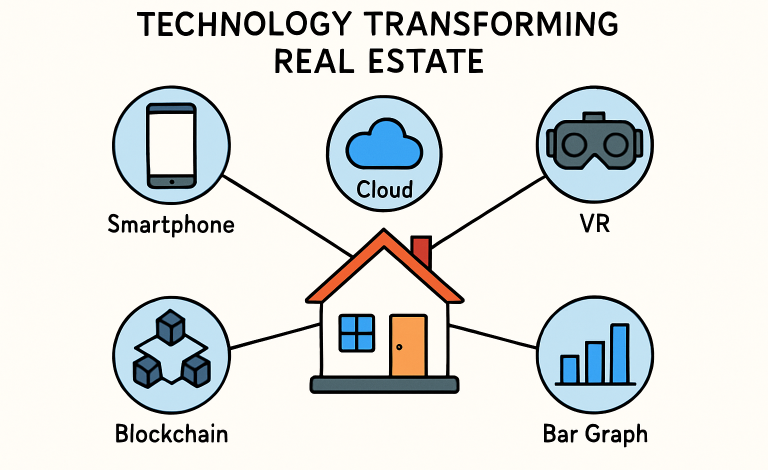
The real estate sector is experiencing a seismic shift as new technologies transform traditional buying, selling, and property management methods. Innovators and industry professionals are leveraging digital solutions to improve transparency, accuracy, and engagement for everyone involved in real estate. Whether you are searching for your dream home or looking to sell property quickly, technology is enabling smoother and more efficient experiences across the board. These advancements are particularly beneficial when working with Wilmette IL real estate experts Beghou Real Estate, who utilize the latest digital tools to provide exceptional service and expertise.
Real estate is no longer bound by slow paperwork and in-person-only tours. Today’s buyers can view detailed listings, access virtual walkthroughs, and receive property recommendations built on smart data, all from the comfort of their own home. This evolution is changing expectations, with clients now seeking not just homes, but streamlined, tech-supported experiences.
Artificial Intelligence in Property Valuation
Artificial Intelligence is a game-changer in property valuation, fundamentally altering how prices are assessed and what information is available to buyers and sellers. AI’s capacity to analyze enormous datasets ranging from recent sales and neighborhood trends to public records has created automated valuation models that are both timely and precise. Major platforms like Zillow and Redfin use AI-driven tools to generate up-to-date price predictions in seconds. This transparency empowers clients to make confident decisions and helps reduce biases or errors in assessments. Furthermore, AI’s ability to identify market shifts allows property owners and real estate professionals to act proactively and strategically.
Virtual and Augmented Reality Enhancing Property Tours
The introduction of Virtual Reality (VR) and Augmented Reality (AR) into real estate has transformed the property-touring experience. Potential buyers no longer need to schedule multiple viewings or travel long distances to assess homes. High-definition, interactive tours can now be taken online, allowing viewers to explore every room or visualize renovations in real time. According to industry insights, listings featuring virtual tours attract significantly more engagement and inquiries, accelerating the selling process and helping properties stand out in crowded markets. These immersive tools also create valuable emotional connections, boosting buyer confidence and satisfaction.
Blockchain for Secure Transactions
Blockchain technology is rapidly making real estate transactions more secure and reliable. By using decentralized, immutable ledgers, blockchain ensures that every transaction detail is verifiable by all authorized parties and protected from unauthorized tampering. This not only reduces the risk of fraud but also reduces the number of intermediaries needed to close a deal, paving the way for faster closings and lower transaction costs. Security and trust, both critical in high-value transactions such as real estate, are significantly enhanced by the inclusion of blockchain-based platforms.
Big Data Analytics Informing Market Trends
Big data is quickly becoming an indispensable resource in modern real estate decision-making. By aggregating and analyzing data from diverse sources, big data tools provide accurate market forecasting, down-to-the-block neighborhood insights, and predictions of rental demand and appreciation rates. Real estate professionals who rely on big data analytics deliver more personalized recommendations and targeted marketing, ensuring their clients can make well-informed choices. Developers benefit as well, as analytics point them to emerging markets and demographic shifts worth investing in. Big data applications are helping investors and agents anticipate trends and adapt to rapid market changes.
See also: High-tech innovations making cargo inspections faster and safer
Internet of Things and Smart Homes
The rise of the Internet of Things (IoT) is enabling homes to become smarter and more connected than ever before. From thermostats and lighting to security systems and appliances, smart home technology lets homeowners control key features from their smartphones or voice-activated devices. These connected devices not only improve energy efficiency and convenience but also increase resale value by appealing to tech-savvy buyers interested in automation. Real estate agents are increasingly using smart home staging in their marketing, demonstrating an enhanced lifestyle that future buyers can easily envision themselves enjoying. Smart home technology continues to play a crucial role in making properties more attractive and future-ready.
Conclusion
The integration of groundbreaking technologies in real estate is radically transforming both the business and client experience. From the accuracy of AI-driven valuations to the convenience of virtual tours and the trust inspired by blockchain-secured transactions, these innovations are reshaping how people engage with property markets. As tools like big data analytics and IoT devices become industry standards, the process of buying and selling real estate is bound to become even more transparent, accessible, and tailored to individual preferences. Keeping pace with these advancements allows buyers, sellers, and agents to achieve better outcomes and enjoy a smoother journey through every real estate transaction.