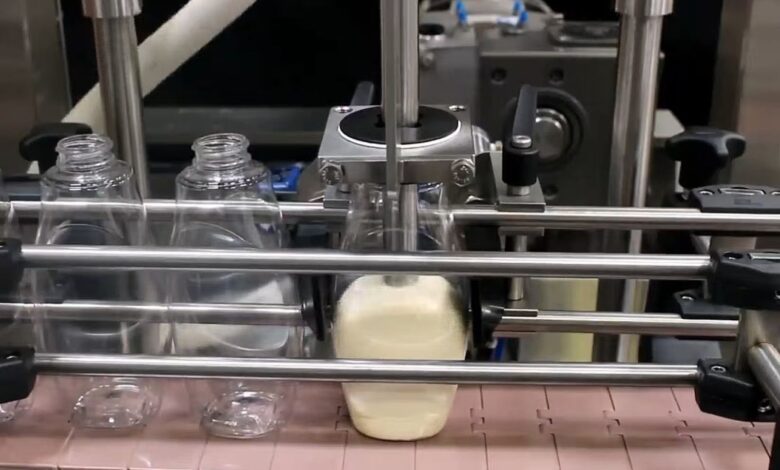
Mayonnaise is a popular condiment known for its rich, creamy texture and versatility. The production technology of mayonnaise has evolved significantly over the years, incorporating modern techniques and scientific knowledge. This article will explore the various aspects of mayonnaise production technology, from raw materials to quality control.
Raw Materials Selection
The quality of mayonnaise largely depends on the raw materials used. The primary ingredients in mayonnaise include oil, eggs, vinegar or lemon juice, and seasonings. Each ingredient plays a crucial role in the final product’s taste, texture, and stability.
Oil is the main component of mayonnaise, typically accounting for 70 – 80% of the total weight. Common oils used in mayonnaise production are soybean oil, sunflower oil, and canola oil. These oils are chosen for their neutral flavor, high smoke point, and availability. The selection of oil is also influenced by its fatty acid composition. For example, oils rich in monounsaturated fats are preferred as they are considered healthier. High – oleic sunflower oil has gained popularity due to its high content of monounsaturated fatty acids and oxidative stability.
Eggs are another essential ingredient. They act as an emulsifier, helping to keep the oil and water phases from separating. Whole eggs or egg yolks can be used. Egg yolks are particularly effective as emulsifiers because they contain lecithin, a natural emulsifying agent. However, due to concerns about salmonella contamination in raw eggs, many manufacturers use pasteurized eggs to ensure food safety. Pasteurization is a heat treatment process that kills harmful bacteria while maintaining the functional properties of the eggs.
Vinegar or lemon juice is added to provide acidity, which not only enhances the flavor but also helps to preserve the mayonnaise by creating an environment where bacteria are less likely to grow. The type of acid used can affect the taste of the mayonnaise. For example, white vinegar gives a sharp and clean flavor, while lemon juice provides a more citrusy and fresh taste.
In addition to these main ingredients, seasonings such as salt, sugar, mustard, and herbs are added to enhance the flavor profile of the mayonnaise. Mustard, in particular, has emulsifying properties and can contribute to the stability of the emulsion.
See also: Home Elevators Unleashed : Exploring the Best for Home in India | Multitechelevator
Emulsification Process
The emulsification process is at the heart of mayonnaise production. An emulsion is a mixture of two immiscible liquids (in this case, oil and water), where one liquid is dispersed as small droplets throughout the other liquid. In mayonnaise, oil is dispersed in a continuous phase of water, creating a stable emulsion with a thick, creamy texture.
The first step in the emulsification process is to prepare an aqueous phase by mixing eggs, vinegar or lemon juice, and seasonings together. This mixture forms the base for the emulsion. The oil is then slowly added to the aqueous phase while vigorously mixing using a high – shear mixer. The high – shear forces break down the oil into small droplets and disperse them evenly throughout the aqueous phase.
The rate of oil addition is critical. If too much oil is added too quickly, the emulsion may break, resulting in a separation of oil and water phases. A slow and steady addition ensures that the emulsifier (eggs) can effectively surround each oil droplet and prevent them from coalescing.
There are different types of equipment used for emulsification. Traditional methods involve using a whisk or a blender, which are suitable for small – scale production. In large – scale industrial production, high – pressure homogenizers or colloid mills are commonly used. High – pressure homogenizers force the mixture through a small orifice at high pressure, creating intense shear forces that break down the oil droplets to a very small size. Colloid mills use a rotating disc to generate shear forces and achieve a fine emulsion.
Temperature also plays an important role in the emulsification process. Lower temperatures generally result in a more stable emulsion. However, the temperature should not be too low as it can affect the functionality of the emulsifier. Most mayonnaise production processes are carried out at temperatures between 15 – 25°C.
Packaging and Preservation
The packaging of mayonnaise is crucial for maintaining its quality and shelf – life after production. There are several factors to consider when choosing the packaging material, including its barrier properties, compatibility with food, and cost – effectiveness.
Plastic containers are a popular choice for mayonnaise packaging due to their lightweight, durability ,and ease of handling . Polyethylene terephthalate (PET) is commonly used as it has good barrier properties against oxygen , moisture ,and light . Oxygen can cause oxidation of oils in mayonnaise , leading to off – flavors and a decrease in quality. Therefore , a good oxygen barrier is essential to extend the shelf – life of the product.
Glass jars are another option for mayonnaise packaging. Glass provides excellent barrier properties and does not react with the mayonnaise. It also gives a premium look to the product. However, glass is heavier and more fragile than plastic, which can increase transportation costs and the risk of breakage.
Preservation methods are used to ensure the safety and quality of mayonnaise during storage. In addition to the natural preservation provided by the acidity from vinegar or lemon juice , some manufacturers may add preservatives such as potassium sorbate or sodium benzoate . These preservatives inhibit microbial growth , especially mold and yeast , which can spoil the mayonnaise.
Modified atmosphere packaging (MAP) is also a common technique used in mayonnaise packaging . In MAP , the air inside the package is replaced with a mixture of gases such as nitrogen and carbon dioxide. Nitrogen is an inert gas that helps displace oxygen , while carbon dioxide has antibacterial properties . This combination can significantly extend the shelf – life of mayonnaise by reducing oxidation and microbial growth.
Quality Control
Quality control is an essential part of mayonnaise production technology . It ensures that the final product meets certain standards in terms of taste , texture , appearance , and safety.
One of the key aspects of quality control is sensory evaluation. Trained sensory panels assess the mayonnaise for attributes such as color , flavor , aroma ,and texture . The color should be uniform , ranging from pale yellow to off – white depending on the ingredients used . The flavor should be well – balanced , with a harmonious combination of acid , salt , and other seasonings. The texture should be smooth and creamy , without any lumps or separation.
Physical and chemical analysis is also carried out to determine the quality of mayonnaise. The fat content is an important parameter , as it affects both the taste and texture of the product. The fat content is typically measured using methods such as Soxhlet extraction or near – infrared spectroscopy . The pH value is another critical factor , as it influences the stability of the emulsion and the growth of microorganisms. A pH range of 3 – 4is common for most commercial mayo.
Microbiological testing is crucial to ensure the safety of mayonnaise. Samples are tested for the presence of harmful bacteria such as Salmonella, Listeria, and E.coli. These bacteria can cause food borne illnesses if present in the product above acceptable levels . Regular testing throughout the production process helps identify any potential contamination issues and allows for corrective actions to be taken.
In order to maintain consistent quality, manufacturers have also implemented Good Manufacturing Practices (GMP). GMP includes proper hygiene of equipment and facilities, employee training, and strict recording of production processes. By following GMP guidelines, manufacturers can minimize the variability of product quality and ensure that each batch of products meets the required standards. In summary, the production technology of mayonnaise is a complex process that involves careful selection of basic materials, efficient emulsification techniques, appropriate packaging and preservation methods, and strict quality control. With the increasing demand of consumers for high-quality and healthy seasonings, further development of mayonnaise production technology is expected to meet these needs.