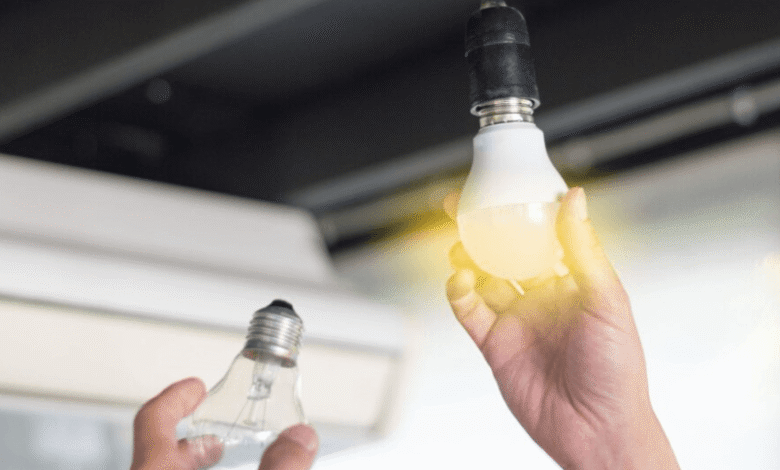
LED lighting systems have become a practical solution for residential, commercial, and architectural projects. Their energy efficiency, long service life, and installation flexibility make them suitable for a wide range of applications. However, achieving consistent performance depends on more than simply selecting an LED strip. Every component within the system must work together to ensure stability, safety, and long term reliability.
As lighting projects become more advanced, installers and project managers are placing greater emphasis on selecting compatible strips, controllers, and power supplies. Understanding these components helps reduce maintenance issues and improves overall lighting performance.
Why LED Lighting Systems Continue to Grow Across Industries
The adoption of LED technology continues to expand across industries because of its efficiency and versatility. LED strips are commonly used for cove lighting, signage, pathway marking, retail displays, hospitality projects, and residential decoration.
Modern LED strips are available in various configurations, including 3528, 2835, 3014, 5050, RGB, RGBW, COB, and silicone neon lighting options. Each type offers unique advantages depending on brightness requirements, installation conditions, and design goals.
For example, 5050 LED strips can provide 300 LEDs per 5 meters and support applications such as architectural lighting, backlighting, decorative lighting, and contour marking. Their flexibility allows them to adapt to a wide variety of installation environments.
Key Factors That Influence LED Strip Performance
Brightness and Color Consistency
Brightness is one of the most important considerations when selecting LED strips. Factors such as LED density, chip quality, color temperature, and power consumption directly affect the final lighting effect.
Higher density strips often produce smoother illumination and reduce visible gaps between LEDs. COB LED strips further improve uniformity by eliminating visible light spots, creating a cleaner appearance that is often preferred for modern architectural applications.
Voltage Selection and Energy Efficiency
Voltage plays a critical role in maintaining consistent brightness across the entire strip length. Many professionals prefer 24V systems because voltage drop is significantly reduced compared to 12V systems. With longer runs, a 24V strip can maintain more uniform brightness from beginning to end.
This advantage becomes particularly important in commercial installations where long continuous lighting lines are required.
Installation Environment
Environmental conditions should always influence product selection. Indoor installations may require standard strips, while outdoor, humid, or industrial environments often demand higher protection ratings to ensure durability and safety.
Choosing Flexible LED Strip Lights for Different Applications
Selecting the right LED strip begins with understanding the project’s requirements. Many contractors and lighting professionals source products through Flexible LED Strip Lights Wholesale suppliers to access a broader range of lighting solutions for different applications.
COB LED strips have become increasingly popular because they provide smooth illumination without visible dots and require minimal maintenance. One notable innovation is the free cutting 12V and 24V COB LED strip, which helps resolve installation constraints by allowing greater flexibility during project planning.
Other options such as 3014 LED strips offer high LED density, reaching 1200 LEDs per 5 meters, while 2835 LED strips provide strong brightness output with efficient power consumption. RGB and RGBW strips are often selected when dynamic color control and decorative effects are desired.
The choice should always be based on application requirements, installation conditions, and desired visual outcomes rather than focusing solely on brightness specifications.
Why a Stable Power Supply Matters in Every LED Installation
Even the highest quality LED strip cannot perform correctly without a suitable power source. A stable power supply protects lighting systems from voltage fluctuations, overheating, and premature component failure.
Before installation, the power supply should always be checked to ensure it meets the strip’s voltage and power requirements. Proper matching helps maintain consistent illumination and extends system lifespan.
In larger installations, selecting a power supply with sufficient capacity provides additional reliability and allows future expansion if needed.
A complete lighting system may also include controllers. For example, RGB touch controllers support input voltages from DC12V to DC24V, provide up to 18A load current, offer 18 color modes, and can be operated through touch control or RF remote technology at distances exceeding 20 meters.
See also: High-tech innovations making cargo inspections faster and safer
When to Use a Waterproof Power Supply
Projects installed outdoors or in humid environments require additional protection. In such situations, a properly rated Waterproof Power Supply helps safeguard the system against moisture related issues.
Waterproof solutions are particularly important for landscape lighting, exterior architectural features, signage, pathways, and marine environments. When combined with IP65 or IP68 rated LED strips, they help create a more reliable lighting system.
IP68 waterproof LED strips offer a significant advantage because they remain protected from water ingress even when operating at depths of up to three meters. This level of protection helps preserve circuit integrity and reduces safety concerns in demanding environments.
Careful attention to waterproof ratings during product selection can significantly improve long term performance and reduce maintenance requirements.
Common Mistakes to Avoid During LED System Installation
Several installation errors can affect system performance and lifespan. One of the most common mistakes is using an incorrect voltage source. LED strips designed for DC12V or DC24V should never be connected directly to AC power.
Incorrect polarity can also damage components. Installers should verify positive and negative connections before energizing the system.
Environmental factors should not be overlooked. Exposure to corrosive substances, excessive impacts during transportation, or improper storage conditions can negatively affect product durability.
Following manufacturer specifications and installation guidelines helps minimize these risks and ensures stable operation.
Future Trends in LED Lighting Technology
LED technology continues to evolve toward greater efficiency, flexibility, and customization. Free cutting COB strips, higher density LEDs, improved waterproofing technologies, and intelligent control systems are becoming more common across professional lighting projects.
Manufacturers are also focusing on products that simplify installation while maintaining consistent performance. These developments allow designers and installers to create increasingly complex lighting effects without sacrificing reliability.
Shenzhen Dekingled Co., Ltd., established in 2014, continues to develop LED strip lighting solutions, including COB LED strips, RGB lighting products, controllers, and power supply systems for various project requirements.
The company operates from SanMing Industrial Park in Shenzhen, China, and provides technical support, fast delivery, and manufacturing solutions for lighting projects.
Final Thoughts
Building a reliable LED lighting system requires careful attention to every component involved. LED strips, controllers, connectors, and power supplies must be selected as part of a complete system rather than as individual products.
By focusing on compatibility, voltage stability, environmental protection, and installation requirements, lighting professionals can create systems that deliver consistent performance and long term reliability. As LED technology continues to advance, choosing the right components remains the foundation of every successful lighting project.